Introduction
In the rapidly progressing landscape of medical care, registered nurses find themselves at the center of individual management and care. One critical area that has actually acquired prominence over the last few years is air flow administration. As more individuals require breathing assistance because of a selection of conditions, the need for specialized training in this domain ends up being progressively important. This article will certainly delve into the detailed connection in between nursing and ventilation training courses, stressing why every nurse needs to invest in these important instructional opportunities.
Why Every Nurse Should Purchase Ventilation Training Courses
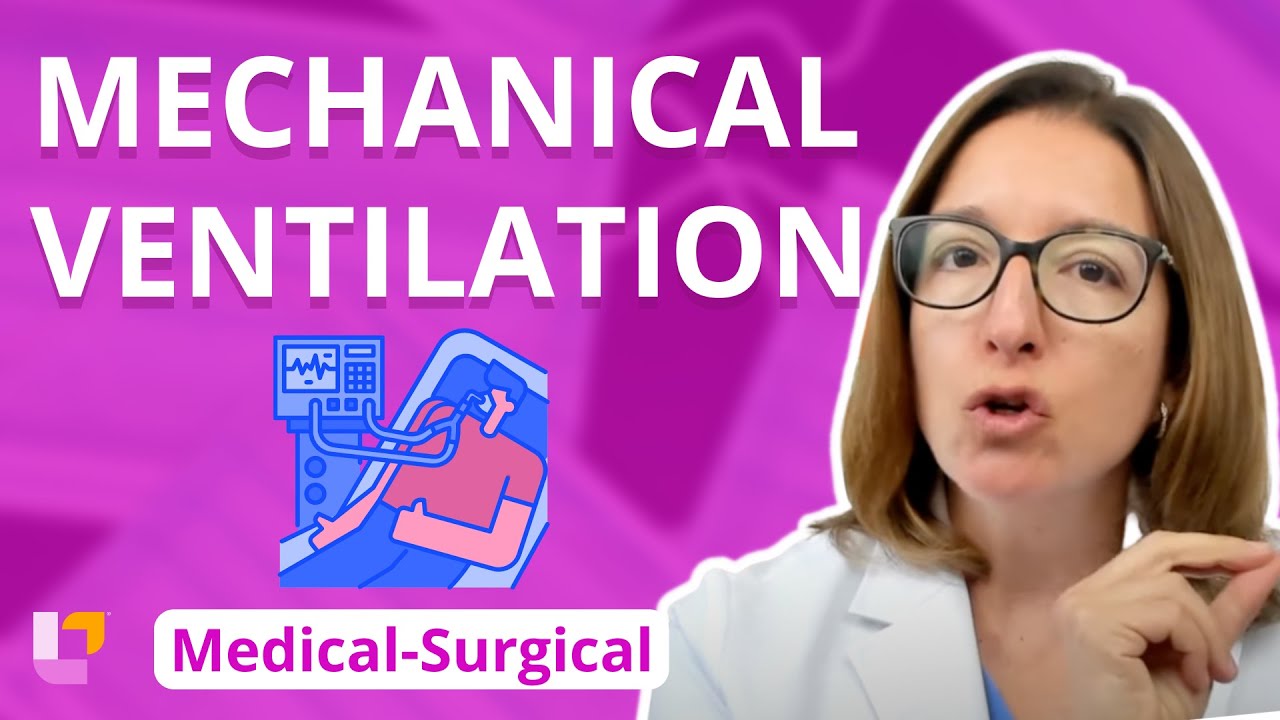
Ventilation training programs are designed to furnish nurses with the expertise and abilities necessary to handle individuals calling for respiratory system support efficiently. These training courses incorporate a wide range of topics, including basic ventilator procedure, progressed airway management, and specific methods connected to tracheostomy treatment. Comprehending exactly how to run and troubleshoot ventilators can substantially improve person end results and decrease complications connected with mechanical ventilation.

The Growing Significance of Ventilation Skills
With an enhancing variety of people providing with breathing lack or failure, the need for knowledgeable experts that can offer reliable respiratory tract and air flow monitoring has surged. Registered nurses play an essential role in tracking clients on ventilators, guaranteeing they obtain proper levels of support tailored to their specific needs.
The Expanding Function of Nurses in Air Flow Management
Nurses are no longer simple aides to medical professionals; they are now indispensable participants of the health care group in charge of direct client care. This shift demands that nurses have thorough expertise concerning different medical gadgets, including ventilators.
Understanding Mechanical Ventilation- What is mechanical ventilation? How does it differ from hand-operated air flow?
- Why is continual surveillance important for people on ventilators? What specifications must registered nurses track?
Real-world Applications of Air flow Training
In functional settings, registered nurses usually locate themselves taking care of complicated cases where timely interventions can indicate the distinction between life and fatality. For instance:
- A nurse trained in ventilator pressure support can rapidly change settings based on an individual's altering condition. Knowledge acquired from a basic ventilator course can help nurses recognize early indications of respiratory system distress.
Components of Reliable Ventilation Training Courses
When taking into consideration investment in ventilation training courses, it's critical to understand what these programs commonly cover:
Basic Concepts of Ventilation
- Introduction to different sorts of ventilatory support. Basic technicians behind exactly how ventilators work.
- Tracheostomy and ventilator management. Troubleshooting typical issues experienced throughout mechanical ventilation.
- Case research studies highlighting real-life scenarios where appropriate training made a significant impact. Hands-on session with modern equipment.
Benefits of Specialized Ventilator Training for Nurses
Investing time and sources right into specialized training returns numerous advantages:
Enhanced Person Safety
With progressed expertise comes increased self-confidence when caring for critically unwell clients on mechanical assistance:
- Understanding possible issues connected with inadequate airway management. Being able to acknowledge when treatment is necessary.
Improved Job Contentment and Occupation Advancement
Nurses furnished with specialized abilities commonly appreciate better task satisfaction as a result of their boosted abilities, causing profession advancement opportunities:
- Potential roles consist of Scientific Nurse Specialist or Respiratory Nurse Educator.
Types of Ventilation Training Courses Available
When checking out choices for ventilation training courses, take into consideration the adhering to classifications:
Basic Ventilator Course
NDIS Ventilation Training Course
Focused on particular needs related to people under the National Impairment Insurance System (NDIS).
Advanced Respiratory tract Monitoring Courses
Targeted at skilled registered nurses looking for to grow their understanding and skills related to complicated situations including air passage management.
Frequently Asked Inquiries regarding Ventilation Training Courses
1. What is a fundamental ventilator course?
A standard ventilator program supplies fundamental expertise regarding mechanical ventilator training for nurses air flow principles, assisting registered nurses recognize how ventilators operate and how to monitor patients effectively.
2. How much time do ventilation training courses commonly last?
Most programs range from eventually to numerous weeks relying on their intricacy and depth.
3. That should take these courses?
While mostly focused on nurses, other medical care professionals involved in patient treatment may likewise take advantage of these programs.
4. Exist on-line alternatives offered for ventilation training?
Yes! Lots of establishments use hybrid versions or fully on the internet training courses that permit adaptability while obtaining vital skills.

5. Is qualification offered upon completion?
Most reputable programs supply accreditation upon effective completion as evidence of competency in managing patients needing respiratory tract support
6. Can ventilation training enhance individual outcomes?
Absolutely! Proof suggests that well-trained personnel can much better take care of intricate cases leading inevitably towards enhanced health and wellness end results for patients requiring respiratory support
Conclusion: Buying Your Future as a Nurse
As we browse with an age noted by considerable technical advancements within health care centers across numerous countries internationally, spending time into obtaining know-how such as those supplied with different sorts of innovative curricula continues to be extremely important. The expanding value put upon efficient air passage monitoring can not be overemphasized; as a result it stands clear why every registered nurse should invest heavily into going after thorough education and learning around topics such as "ventilatory methods". Not just does this lead towards enhanced occupation prospects but additionally equips specialists with essential devices needed when providing high quality treatment under difficult circumstances.
Ultimately, by focusing on specialist advancement with targeted coursework like "ventilator training", https://open.substack.com/pub/sloganrkjh/p/browsing-tracheostomy-and-ventilator?r=5plsn1&utm_campaign=post&utm_medium=web&showWelcomeOnShare=true you're not simply enhancing your capability-- you're adding positively in the direction of better overall health care shipment systems benefiting numerous lives along method. So go on-- take that leap onward; register today!